Free Delivery
 365-Day Returns
 10 Million Happy Customers
 500,000 Products in Stock
What Is Old-Money Style in Interior Design?
Reviewed by the Beliani Content Team · Updated September 2026
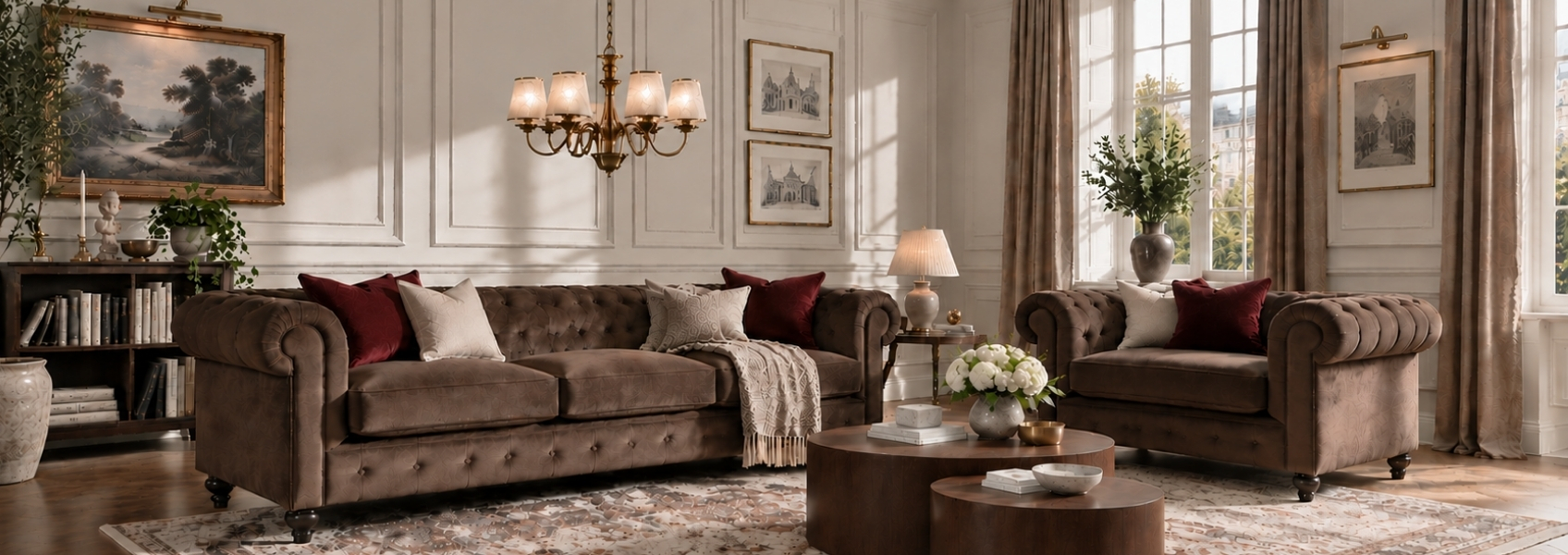
Old-money style has become one of the most searched interior looks of the past few years, but it is not a new invention. It borrows directly from the way genuinely old estates and family homes have looked for generations, and it rewards a completely different set of buying decisions than most trend-led styles do. By the end of this guide you will know exactly which materials, colours and furniture choices actually create the look, and which common substitutes undermine it.
In short
What is old-money style, exactly?
Old-money style is an interior look built around solid, natural materials, a muted neutral palette and furniture with a traditional or heritage silhouette, chosen a few pieces at a time rather than bought as a matching set. It favours restraint over display: quality is meant to be noticed on closer inspection, not announced by logos, high shine or bright colour. The style works in any size of home, since it depends on material and colour choices rather than architecture or square footage.
- Solid wood, leather, wool and linen over synthetic or high-gloss finishes
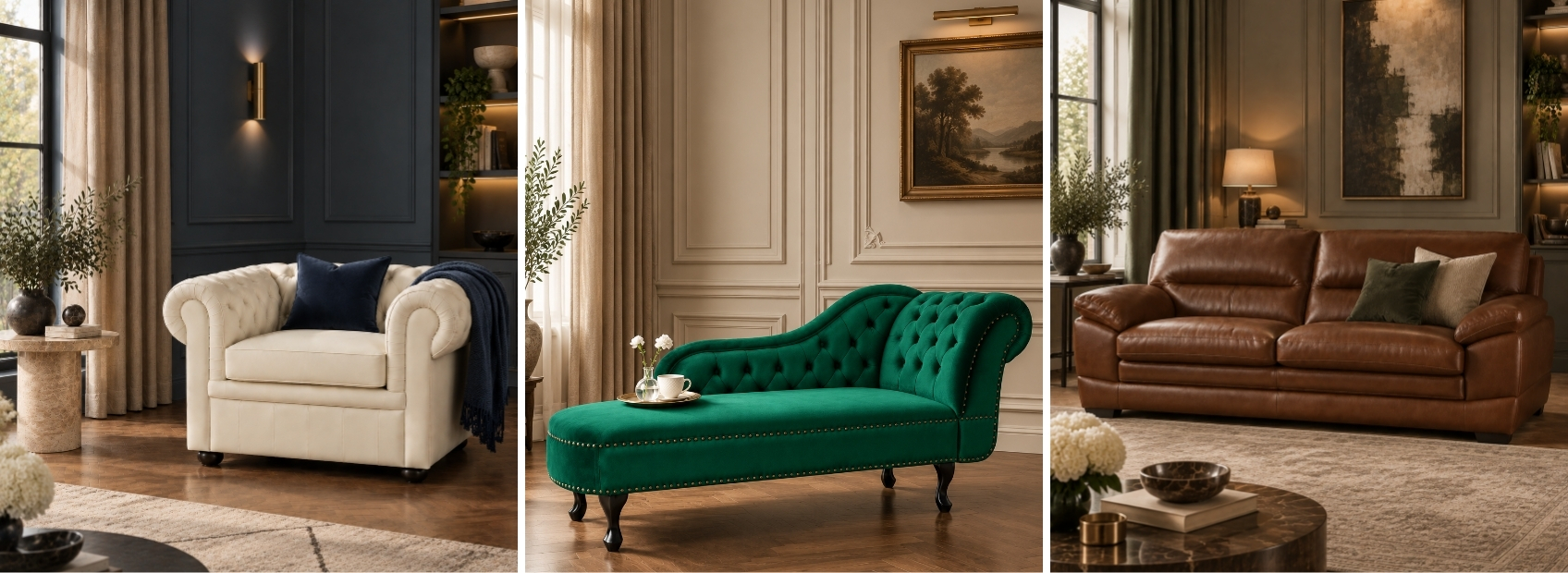
- A warm neutral base (cream, taupe, warm white) layered with deep accent tones (forest green, navy, burgundy)
- Traditional silhouettes: turned or carved legs, tufting, panelled fronts, rolled arms
- Pieces added individually over time, not as a single matching set
Where the style comes from
The term describes wealth passed down through generations rather than newly acquired, and the interior style follows the same logic. Old-money interiors are characterised by balance, refinement and an inherent sense of history, staying elegant without becoming ostentatious. The furniture and objects in these homes were bought once, built to last, and added to slowly rather than replaced or refreshed each season.
This is what separates old-money style from most other interior trends: it isn't a look you shop for in one visit. Solid wood furniture, marble accents, wool rugs and natural fabrics hold up for years and develop character with age, and the overall effect comes from choosing items as though collecting them over time rather than buying matching sets. A tufted sofa this year, a carved wood coffee table next year, a proper writing desk after that – each piece chosen on its own merits rather than to match the others.
How to start: the core elements in order
Building the look works best as a sequence rather than all at once. Each step narrows the choices for the next.
Fix the wall colour first – a warm neutral base sets the palette everything else works within.
Choose one anchor piece – solid wood or leather, such as a sofa, dining table or bed frame.
Add a wool or vintage-style rug – sized to sit under the front legs of that anchor piece.
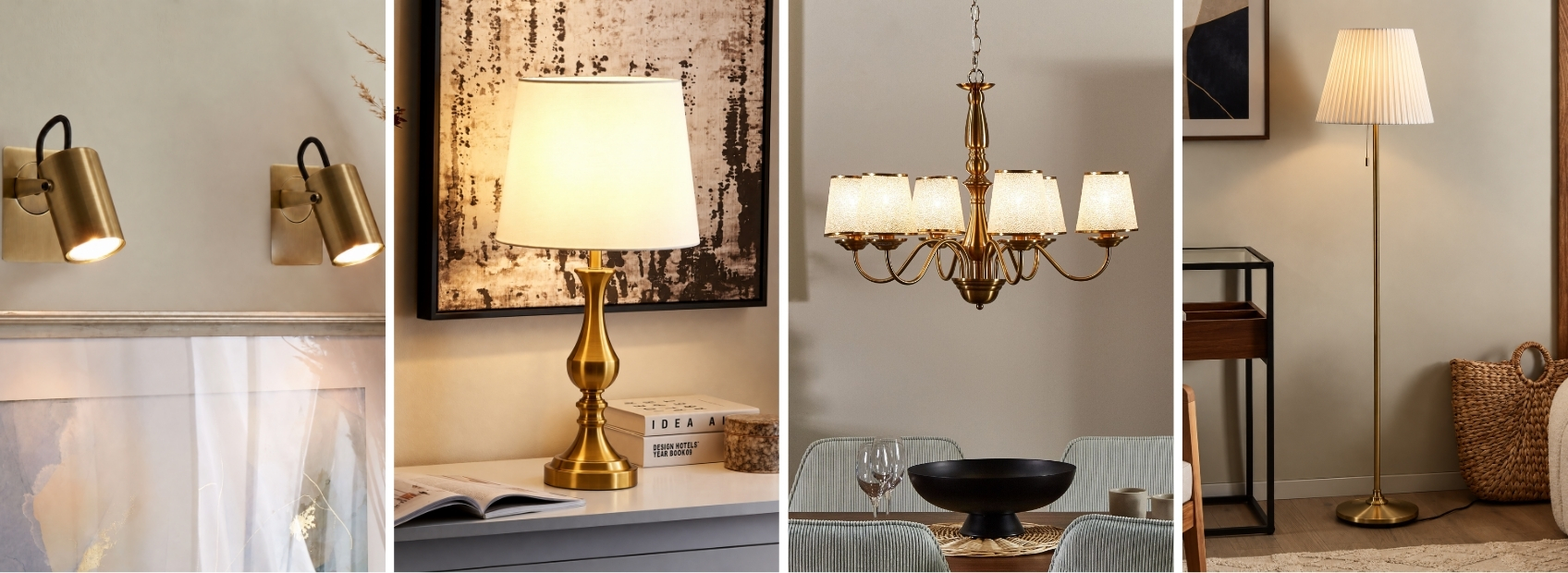
Layer the lighting – at least one table or floor lamp, rather than the ceiling fitting alone.
Add hardware and small objects last – brass or aged metal, once the larger pieces are in place.
Which materials actually create the look
Material is the single biggest factor. Everything else – colour, silhouette, layout – supports the material choice rather than replacing it.
- Solid hardwood in walnut, oak or mahogany tones, rather than veneer or laminate finishes
- Genuine or good-quality faux leather with a matte, slightly worn finish rather than a high shine
- Wool and jute for rugs, which age and soften rather than flatten and pill
- Linen and heavier cotton weaves for upholstery and soft furnishings, in place of synthetic blends
- Brass or aged-metal hardware and fittings, rather than polished chrome
Shop now: solid wood tables and leather sofas
Which colour palette to use
The palette does most of the work of making a room feel restrained rather than styled. A warm neutral base of creams, beiges, soft taupes and warm whites works well on walls, giving a serene backdrop that stays versatile while keeping the elegant restraint the style depends on. Cooler, starker greys tend to work against the look, since they read as contemporary rather than heritage.
Once the neutral base is set, the accent colours carry the character of the room. Deep forest green, navy blue and burgundy are the classic choices, used on upholstery, curtains or a single statement chair rather than spread evenly across every surface. Keep accent colours to one or two per room – old-money style relies on a controlled palette, not a varied one.
A quick materials and colour comparison
| Element | Old-money choice | What to avoid |
|---|---|---|
| Wood tone | Walnut, oak, mahogany | Pale washed or grey-toned wood |
| Metal finish | Brass, aged bronze | Polished chrome, bright silver |
| Wall colour | Warm cream, taupe, soft white | Cool stark grey, bright white |
| Rug material | Wool, jute, vintage-style weave | Synthetic shaggy pile |
Furniture pieces that define the look
A handful of pieces do most of the visual work in an old-money room, so it is worth prioritising these before anything else.
Living room
A tufted or leather sofa and a proper console table
A deep-seated tufted sofa or leather sofa forms the anchor of the room. Pair it with a console table behind or beside it for lamps, books and a single decorative object, rather than leaving the space bare.
Dining room
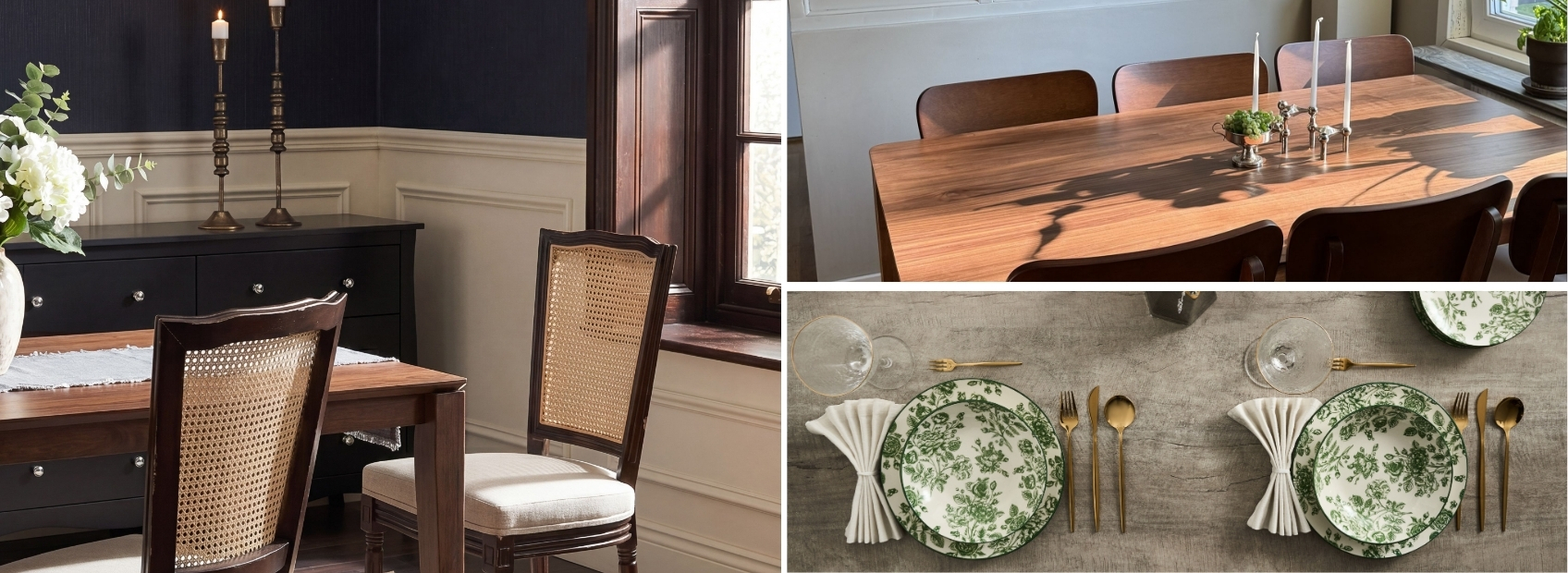
A solid wood table with mismatched chairs
A solid wood dining table paired with wooden or leather dining chairs that are similar in tone but not identically matched reads as collected rather than bought as a set, which is the whole point of the style.
Bedroom
A wooden or leather bed frame and layered lighting
A wooden or leather bed frame in a deep tone, layered with table lamps rather than a single ceiling light, brings the warmth the style depends on into the room after dark.
Shop now: console tables and dining chairs
Layering: lighting, rugs and decorative objects
Lighting has an outsized effect on whether a room reads as old-money style or simply traditional. Layering table lamps, floor lamps and wall sconces rather than relying on a single overhead fixture creates the pools of warm light that give these rooms their characteristic warmth. A single ceiling light left on its own tends to flatten the room and work against the effect, however good the furniture underneath it is.
A wool or vintage-style rug anchors the seating area and should be large enough that the front legs of major furniture sit on it, not floating in front of it. On surfaces, a small number of decorative objects – a stack of hardback books, a single vase, a framed print – reads better than several smaller ornaments spread across the same shelf.
The most common mistake
Buying a fully matched furniture set is the fastest way to miss the style entirely. Old-money interiors are built piece by piece over years, so a matching three-piece suite or a boxed dining set tends to read as new and staged rather than collected, however good the individual pieces are.
Shop now: wool rugs
How to add old-money details without the room looking dated
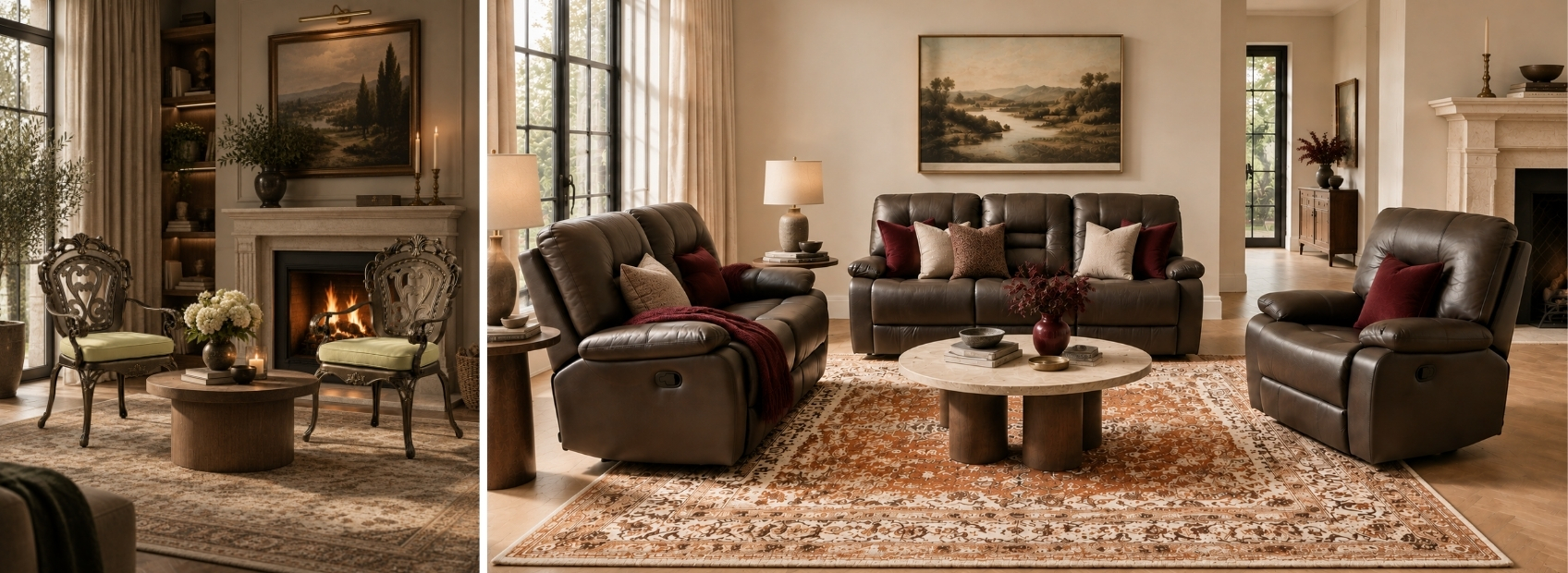
The line between heritage and dated comes down to proportion and quantity, not the materials themselves. A single carved wood mirror or a brass-handled chest reads as considered detail; the same items repeated on every surface start to read as a period room rather than a home someone actually lives in.
Keep it current, not costume
Pair one or two heritage pieces per room with plain, contemporary basics – a flat-weave rug instead of a heavily patterned one, an unadorned linen sofa instead of a fully buttoned one. The heritage piece stands out precisely because the rest of the room stays quiet, rather than competing for attention with it.
What to check before buying
Before adding a piece to an old-money style room, run through the following checks.
- Material is solid wood, leather, wool or linen rather than a synthetic or high-gloss substitute
- Colour sits within a warm neutral or deep jewel-tone palette, not a bright or cool-toned finish
- Silhouette includes some traditional detail – turned legs, tufting, panelling or rolled arms
- The piece does not exactly match other furniture already in the room
- Metal fittings and hardware are brass or aged-metal finish, not polished chrome
- The piece earns its place on its own, rather than being bought only to complete a set
Frequently asked questions
Does old-money style mean everything has to be antique?
No. New furniture made from solid wood, leather or wool in a classic silhouette reads the same way as a genuine antique. What matters is the material, proportion and colour, not the piece's actual age or provenance.
What colours should be avoided in old-money style?
Bright primary colours, high-shine finishes and heavily branded or logoed items sit outside the style, since they draw attention rather than reward a closer look. Cool, stark greys are also best avoided in favour of warmer neutral undertones.
Is old-money style expensive to achieve?
The look depends on choosing fewer, better pieces rather than spending at any particular level. A handful of well-made items in the right materials and colours will read as old-money style well before a full room of lower-quality matching furniture would.
How is old-money style different from traditional or classic style?
Traditional style is a broad furniture category based on period silhouettes and can be dressed up or down. Old-money style is traditional furniture combined with a specific restraint: a muted palette, visible material quality, and pieces that look collected over time rather than bought as a matching set.